Hanoians
Reviewing my notes of the first ten days in Vietnam, I find it difficult not to see and experience everything through the war with America –I’ve studied of it over the years and I was part of the anti-US war movement in the 70s. Everything is inflected by the war. Maybe this is true for the Vietnamese too at the level of authorities and Party, but impossible to tell in relation to people and communities because of the language barrier. Yet most will have lost uncles and aunts and masses of relatives within memory. Especially given the honouring of ancestry. But if it is true for them too as well as Party, it all seems without rancour or any need to punish or seek revenge. In fact, none of the de-humanisation and objectification by the US army (gooks, fish-breath etc.) is replicated on the Vietnamese side. In its place is the language of anti-imperialism for sure but, more so, a very human portrayal of the enemy. The Hoa Lo prison (‘Hanoi Hilton’), now a museum, where amongst others Senator John McCain spent years following the shooting down of his plane, a place of horror built by the French (euphemistically, La Maison Centrale) exudes this paradox – the acknowledgment of humanity in the treatment of US captees in an entirely inhuman environment.
It’s not obvious though that the American war seems remembered or is evident in everyday things. However, when you visit the rather super fine art gallery in Hanoi, you can see that the war, Ho, landscape, women, rural life and development are clearly repetitive themes of artists. I guess it would be easy to dismiss as propagandist paintings called ‘Village Education’ or ‘Hero of the Train Engine Repair Team’ or ‘X’ going to his execution but context is all important. The contribution of a skilled engineer in keeping a machine going under conditions of frequent bombing and damage is worth honouring quite aside from it being a pretty good painting.

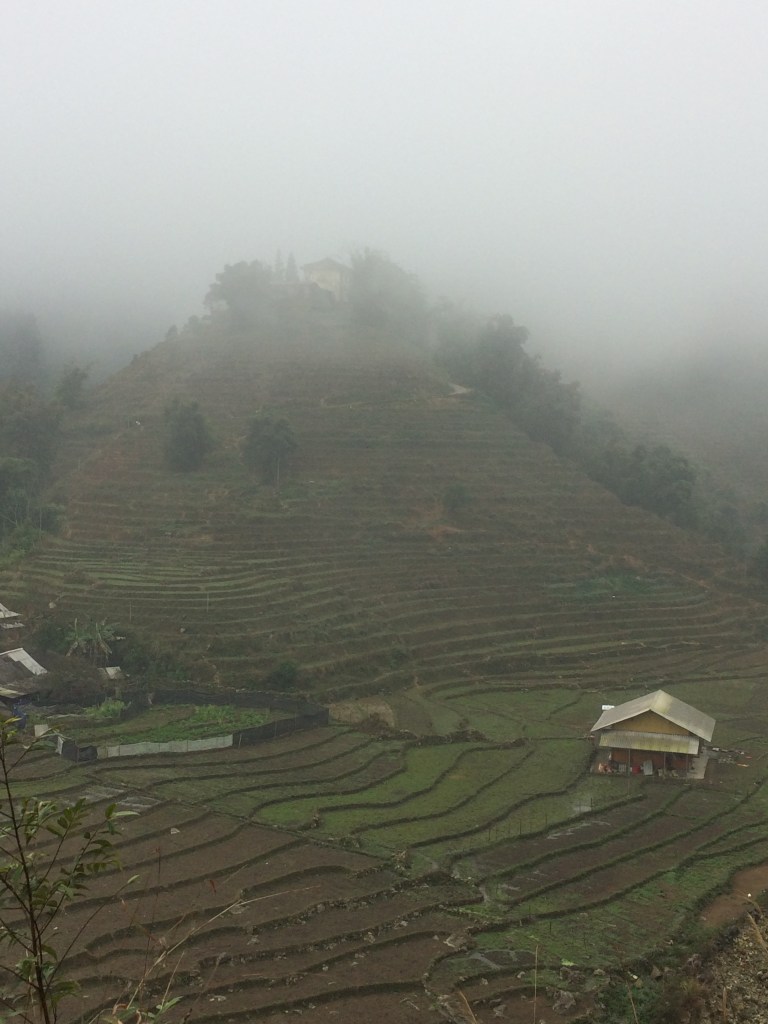
Private enterprise seems everywhere and the Party present in administration buildings, posters and flags, especially now because of its 90th anniversary (3rd Feb), but otherwise not seemingly visible in street life. In the hill tribe areas each community had a Party office often broadcasting messages and music through distorted tannoy systems across the valley -so irritating I would have crept along and cut the wires a long time ago but everyone else seemed happy to just let it drone on without complaint or sarky comment.
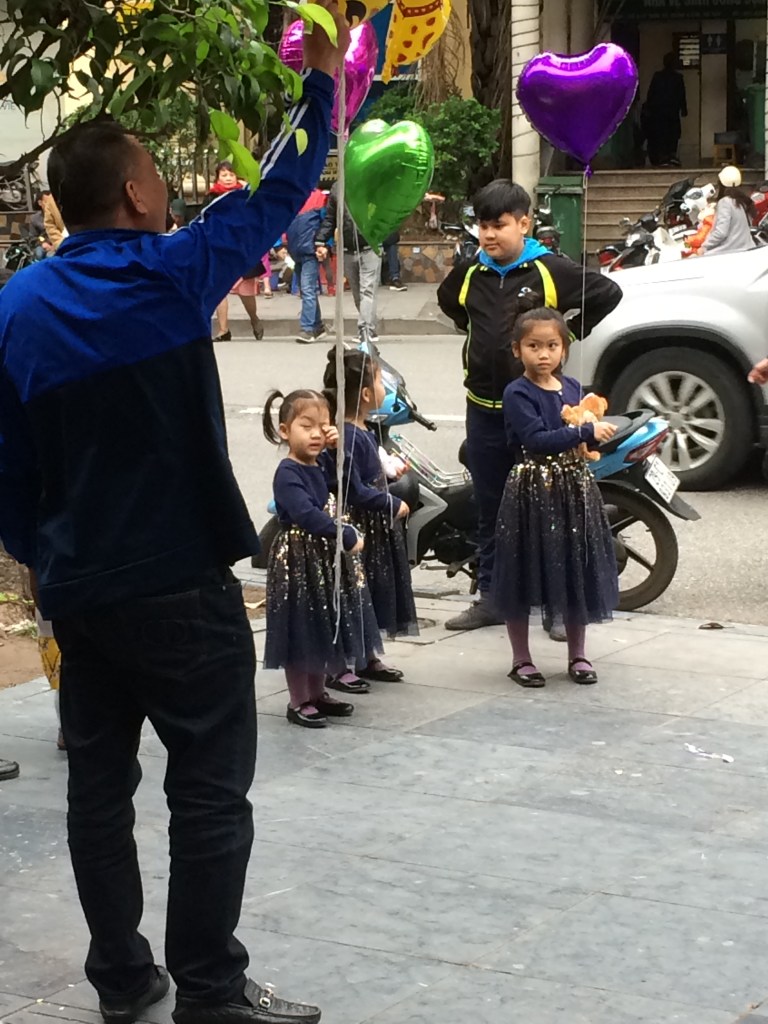
Our first week coincided with the Tet holiday, the celebration of the lunar new year. It also coincided with the acceleration and takeoff of the coronavirus epidemic -a pretty lethal combination that by midweek resulted in several cases of infection in Hanoi, people who had just returned from Wuhan (maybe the village tannoys were broadcasting coronavirus keep safe messages…) So Hanoi was full of Vietnamese visitors (no Chinese, the borders had been rapidly closed) and by the end of the week wearing masks was de rigeur, although, given the pollution and the cold air in the city, Hanoians on scooters and motorbikes use them any way. By the middle of the second week, museums were being closed. All public servants were wearing masks and so too private hotel staff. Ethanol hand wash started appearing in hotel lobbies.
It was interesting that religion was present as an understated, quiet thing but not in the jangly way we experienced thrusting Hinduism in Rajasthan or Buddha-stuffed caves and slopes with their visually jarring electric haloes in Myanmar. Generally, Tet seemed to be about dressing up, holidays, eating, family and community.
Clean, ordered (aside from scooter drivers), friendly, service-oriented and sensitive to their ancient and modern history. It’s so easy to be here: no hassling, things work, and of course the Roman script helps the visitor get used to street names just a little easier.
Maybe if I look more deeply into it I’ll find unsavoury stuff such as corruption etc. that will seem a betrayal of the Ho Chi Minh legacy. But for now it feels relaxed and open…and so confident.



 Big Skies